
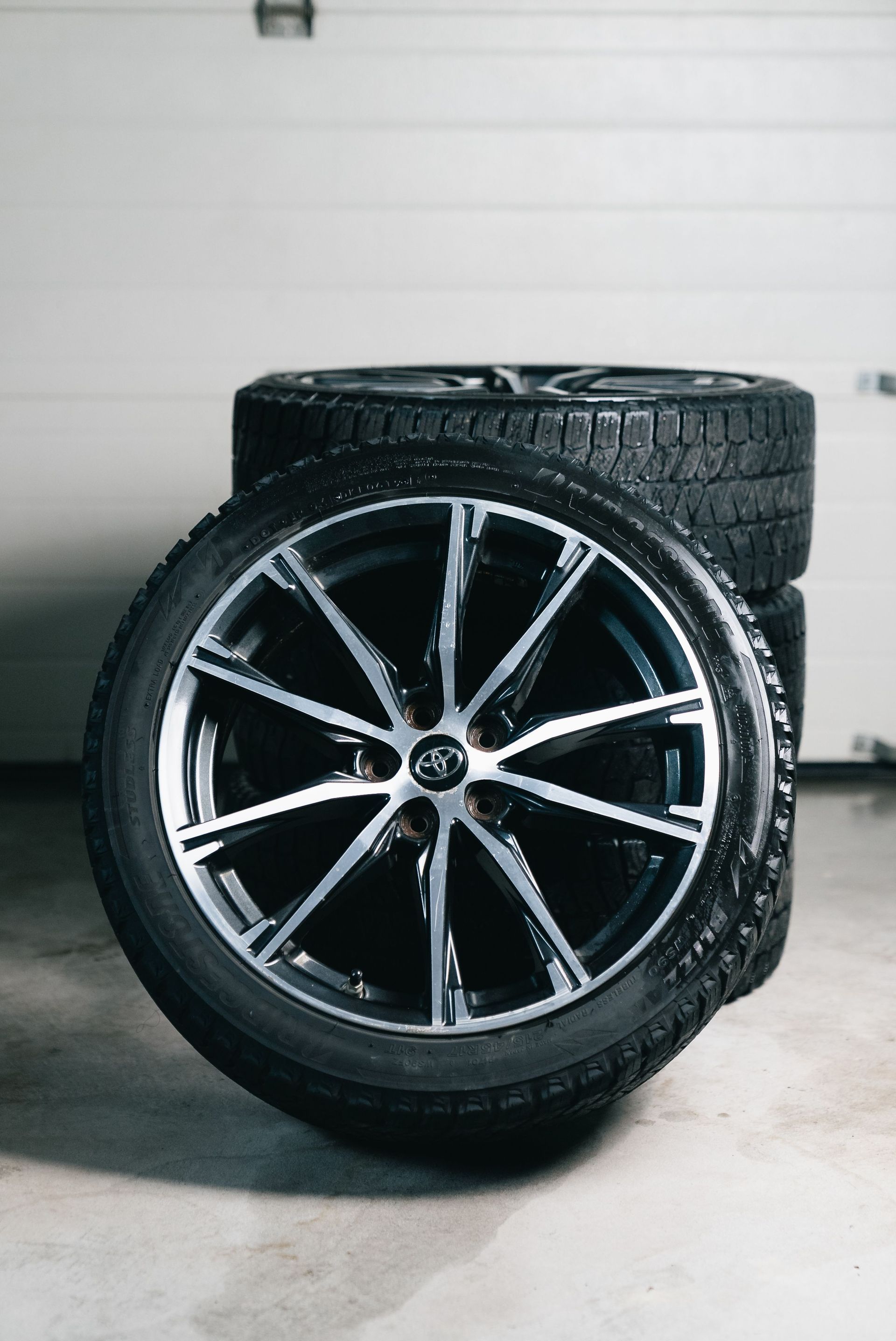
Flats Replaced While You Stay Off Pavement
Tire Changes in Somerville for blowouts, punctures, sidewall damage, or slow leaks discovered during daily commutes
Boston-area drivers encounter road debris from construction zones, potholes that damage sidewalls during winter freeze-thaw cycles, and nails from commercial loading areas that puncture tread and cause rapid air loss. Quick Tow Solutions provides tire change services throughout Somerville when flats leave you unable to drive safely or when you lack the tools, physical ability, or safe roadside position to replace the tire yourself. Trained operators arrive with hydraulic jacks, impact wrenches, and torque tools that handle tire removal and installation correctly even when lug nuts are corroded or overtightened from previous service.
Tire changes address situations where air pressure drops below safe operating levels due to punctures, sidewall cuts, valve stem failures, or slow leaks that worsen during driving and leave the tire unable to support vehicle weight. The service involves lifting the vehicle at designated frame points, removing the damaged tire, mounting your spare or replacement tire onto the hub, and torquing lug nuts to manufacturer specifications that prevent loosening during normal driving or overtightening that causes stud damage.
Arrange immediate tire change support if you're currently stranded with a flat and need professional help installing your spare safely.
What Proper Tire Installation Involves
Proper tire changes require lifting the vehicle without damaging frame rails or pinch welds, which occurs when jacks are positioned incorrectly under body panels instead of reinforced lift points. Operators place hydraulic jacks at locations specified in your vehicle's service manual, ensuring the weight distributes across structural members designed to handle lifting stress. Impact wrenches remove lug nuts that hand tools cannot budge due to corrosion or excessive torque from previous installations, and final tightening uses calibrated torque wrenches set to your vehicle's specifications rather than pneumatic tools that overtighten and stretch wheel studs until they snap during normal driving.
After the tire change completes, your vehicle sits level with the spare installed at the correct height and the wheel secured firmly against the hub without wobble or looseness. You can drive immediately, though compact spare tires limit your speed to 50 miles per hour and should only remain installed until you reach a tire shop for permanent replacement. Decades of towing and roadside assistance experience mean operators recognize when a spare tire shows damage or age deterioration that makes it unsafe for use, and they inform you about replacement needs before you leave the service location.
The company maintains professional equipment and follows safety procedures backed by real-world experience across thousands of roadside service calls. New family ownership brings renewed focus on honest communication and customer respect during stressful situations, and upfront pricing ensures you understand service costs before work begins.
What Drivers Need to Know
Tire changes involve equipment, safety considerations, and spare tire limitations that affect how you proceed after roadside assistance completes the installation.
What tools do operators use for tire changes?
Technicians carry hydraulic floor jacks rated for vehicle weight, impact wrenches powered by the service truck's electrical system to break loose corroded lug nuts, and calibrated torque wrenches that tighten fasteners to manufacturer specifications, preventing both under-torquing that allows wheels to loosen and over-torquing that damages wheel studs.
How does weather affect tire change timing?
Cold temperatures make rubber stiff and increase the effort required to break tire beads loose from wheel rims, while rain or snow creates slippery conditions that affect jack stability on asphalt or concrete surfaces, sometimes requiring additional time to position equipment safely before lifting the vehicle.
What happens if my spare tire is also flat or damaged?
Operators inspect spare tires before installation and inform you if the spare shows insufficient air pressure, sidewall cracking from age, or tread damage that makes it unsafe for use, at which point towing to a tire shop becomes necessary rather than installing a spare that could fail during driving.
Why do lug nuts sometimes require impact tools?
Lug nuts corrode over time from road salt exposure common throughout Somerville and Boston during winter months, and previous installations often overtighten fasteners using pneumatic tools without torque limiters, creating resistance that exceeds what manual wrenches can overcome without risking injury or tool breakage.
How far can I drive on a compact spare tire?
Compact spares are designed for temporary use at speeds not exceeding 50 miles per hour and distances under 70 miles, providing enough mobility to reach a tire shop for permanent replacement but lacking the tread depth, sidewall strength, and heat resistance needed for extended highway driving or heavy loads.
Quick Tow Solutions operates fully licensed and insured vehicles with operators who prioritize safety, professionalism, and careful vehicle handling during every roadside call. Contact (857) 346-3364 immediately for tire change assistance if you're stranded with a flat and cannot safely complete the replacement yourself.